
How to Guide
HOW TO USE IOW DICTIONARY IN A CLASS:
DISCUSSING ABOUT EXISTING ENTRIES AND/OR WRITING A NEW ONE
Participants
- students from high school to university; group within a community
- teacher/s, professor/s, educator/s, volunteer/s; where possible, favour interdisciplinarity and the combination of different skills, knowledges, and perspectives
- one facilitator from IOW (better in person, otherwise online)
Contexts - multicultural classes, FL/L2 classes, groups
Hours - flexible and adjustable
CLASSROOM ACTIVITIES
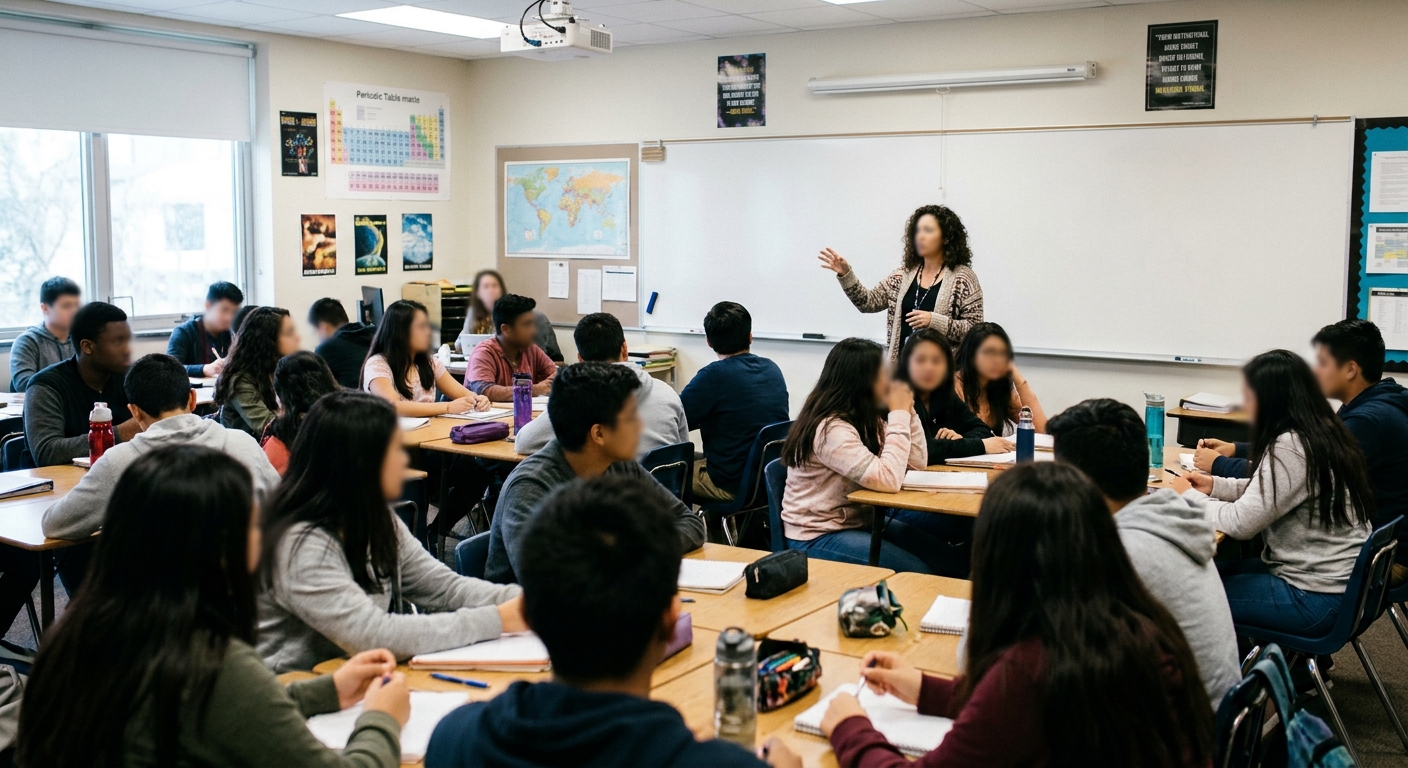 |
A. Discussing existing entries
- present the ethos and the purposes of IOW dictionary
- invite the students to navigate/navigate IOW website with them; ask them their first impression, their feedback about readability, design, simplicity of access, etc.
- you can ask students to pick up one or more entry and invite them to discuss it/them together in small groups, and then report their ideas to the whole class
- familiarize the students with the structure of IOW dictionary (the different steps, from Abstract/s to Discussion)
- invite the students to reflect about the purpose of the different steps analysed.
B. Writing a new entry
- follow the instruction as in part A) above
- invite the students to think about a keyword that they would like to analyse
- brainstorming: this is a very important moment for the development of the students’ awareness of how language (re)produces Otherness. Keywords can come global social phenomena, from specific national or local contexts, or from peer in-group situations. You can invite students to think who is Otherized in public or political discourse, who is the Other for them, why, under which circumstances those individuals or groups are Otherized, and, if they want, whether they themselves have ever felt Othered and in which situation, etc. Different words will come out. You can write them on the classroom’s board and then ask the students to choose/vote for the one they think it is more relevant for them. If unanimity is not reached, you can split the class in two – but not in more than two groups, as every group will be then divided in sub-groups.
- divide the class into small groups, asking the students which step they would prefer to work on according to their interests, skills, or curiosity – the abstract/s, etymology, on/offline research for communication strategies, research for creative materials for the subversion, etc.
- research and writing are done both in class and at home. You can help and guide your students with the research of materials, the actual analysis of the word, and with language issues that may arise during the process of writing – e.g., translation
- if the writing of the entry is an interdisciplinary project involving, e.g., the Arts teacher, the teacher can guide students in the production of individual and/or collective artworks
- final discussion/restitution: invite students to reflect whether and how their perception of the word has changed throughout the process of research, analysis, and subversion.
If you notice that the students have heavily relied on AI, use the texts produced by AI to help them reflect on the quality and the information provided by AI to develop critical digital literacy. You can refer to:
- Giorgis, P., Valente, A. (2026). Rebutting GenAI: Engaging with IOW Dictionary and Podcast in Classroom Practices to develop Critical Language Awareness and Critical Digital Literacy. In Luporini, A., Giacosa, A. (eds.). Rethinking English Language Teaching in an Algorithmic World. Critical Approaches to Human-Centered and Digitally-Enhanced Education. Bologna University Press (BUP).